Blood, suspense, and a masked figure lurking just out of sight: few horror subgenres grip audiences like the slasher. Learning how to write slasher horror means tapping into a rich tradition of tension, survival, and fear, while adding your own creative twist.
From Halloween and Scream to modern revivals like Fear Street, the slasher horror subgenre continues to evolve. Whether you’re writing a screenplay, novel or short story, this guide will help you understand what makes slashers work, how to build unforgettable villains, and how to keep readers on edge from the first scream to the final scene.
How to Write Slasher Horror for Beginners
At its heart, slasher horror is simple: a killer targets a group of people, often in isolation, until only one or two remain alive. Or no one. But behind the simplicity lies a lot of craft.
The Core Formula:
- The Killer: a menacing figure with a clear motive (or terrifying lack of one).
- The Victims: usually a group with different personalities, habits, and flaws.
- The Setting: an isolated or inescapable place, think summer camps, suburbs, or remote cabins.
- The Final Confrontation: a climactic moment where one survivor faces the killer in one way or another.
Slashers are as much about psychology as they are about spectacle. The audience knows what’s coming, but they keep watching — or reading — because they want to see how you’ll twist it. They crave fun and unique kills. They want the emotional impact.
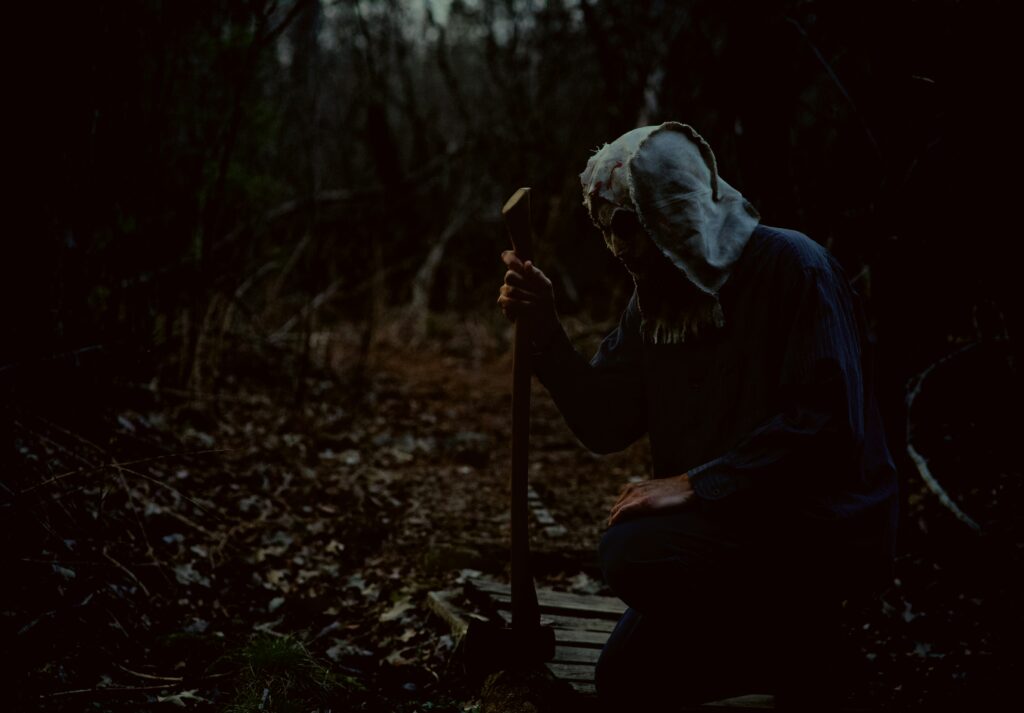
How to Write Slasher Horror With Memorable Villains
The villain is the pulse of your story. Without a compelling killer, even the best setup falls flat. Learning how to write slasher horror includes mastering the villain; consider these tips when you’re crafting your story:
1. Give Them a Motive, or Take It Away
Some of the most famous slasher villains act with cold, inexplicable logic (Michael Myers). Others are driven by trauma, revenge, or obsession (Freddy Krueger, Ghostface). Either approach works as long as it’s consistent. If you remove motive, fill the void with presence, the sense that the killer represents something larger than themselves.
2. Create an Iconic Identity
A good slasher villain is instantly recognizable. This comes from visual cues (a mask, a weapon, a distinctive silhouette) and behavioural details (a heavy step, a calm voice, a signature phrase).
Even on the page, you can create a visual identity through description and rhythm. Instead of saying, “A killer appeared,” describe the sound of boots in the hallway, the glint of steel, or the slow breath on the other side of the door.
3. Make the Villain Symbolic
Most slasher horror films that define the genre utilize villains to represent deeper fears, such as morality, punishment, chaos, or guilt. Give your killer meaning, even if the characters never articulate it. Readers should feel they’re confronting more than flesh and blood.
How to Develop Slasher Horror Tropes
Tropes are the DNA of the slasher genre. They’re not clichés by default; they’re the familiar beats that fans love, and that give writers room to play. The best slashers know when to lean into expectations and when to twist them. Keep all of this in mind as you learn how to write slasher horror:
1. The Final Girl
The “Final Girl” is the character who survives to confront the killer. She embodies strength, resilience, and transformation, but she’s also human. At this point, she’s pretty much expected in any good slasher. However, you can do just about anything you want with her, so don’t feel obligated to copy popular versions.
Tips for developing this trope:
- Give her agency early on. Let her make choices, even small ones, that foreshadow her ability to survive.
- Show her growth through fear. She doesn’t need to start brave, but she must find strength within chaos.
- Make her relatable. The Final Girl works best when readers see parts of themselves in her: flawed, scared, but determined.
- Allow emotional scars. Survival comes with cost; don’t erase the trauma by the final page.
2. The Isolated Setting
Isolation amplifies fear. Whether your characters are stranded in a cabin, trapped in a high school, or cut off by a snowstorm, the setting becomes a silent antagonist.
Tips for developing this trope:
- Build your setting with logistical detail. Readers should understand why escape is impossible. It should make sense.
- Treat the environment as alive. Wind, darkness, and distance can all feel like forces closing in.
- Use geography to shape tension; narrow hallways, dense woods, or winding roads make movement dangerous.
- Keep track of the layout. A clear mental “map” helps you stage action and suspense.
3. The Sin Factor
In classic slashers, victims often die after breaking moral or social rules like drinking, bullying, cheating, or ignoring warnings. They can also be breaking irrational or illogical rules set by your killer in their own mind. As long as it makes sense to the villain and the audience understands this, it’ll work. This trope isn’t about punishment so much as consequence.
Tips for developing this trope:
- Use it as character development, not judgment. The “sins” should reveal who the characters are and how they’re flawed, not why they’re a terrible person.
- Make actions organic. Their decisions should align with their personalities, not exist solely to get them killed.
- Consider symbolic sin. Instead of surface-level rule-breaking, consider emotional or moral transgressions such as betrayal, arrogance, or denial.
- Avoid moralizing. Readers should feel empathy for the victims, not scorn.
4. The Masked Killer
The mask isn’t just a disguise; it’s an identity. A good mask symbolizes what your villain represents: faceless evil, hidden trauma, or human anonymity. It’s also functional within your story, as many killers do desire to keep their identity a secret to avoid detection.
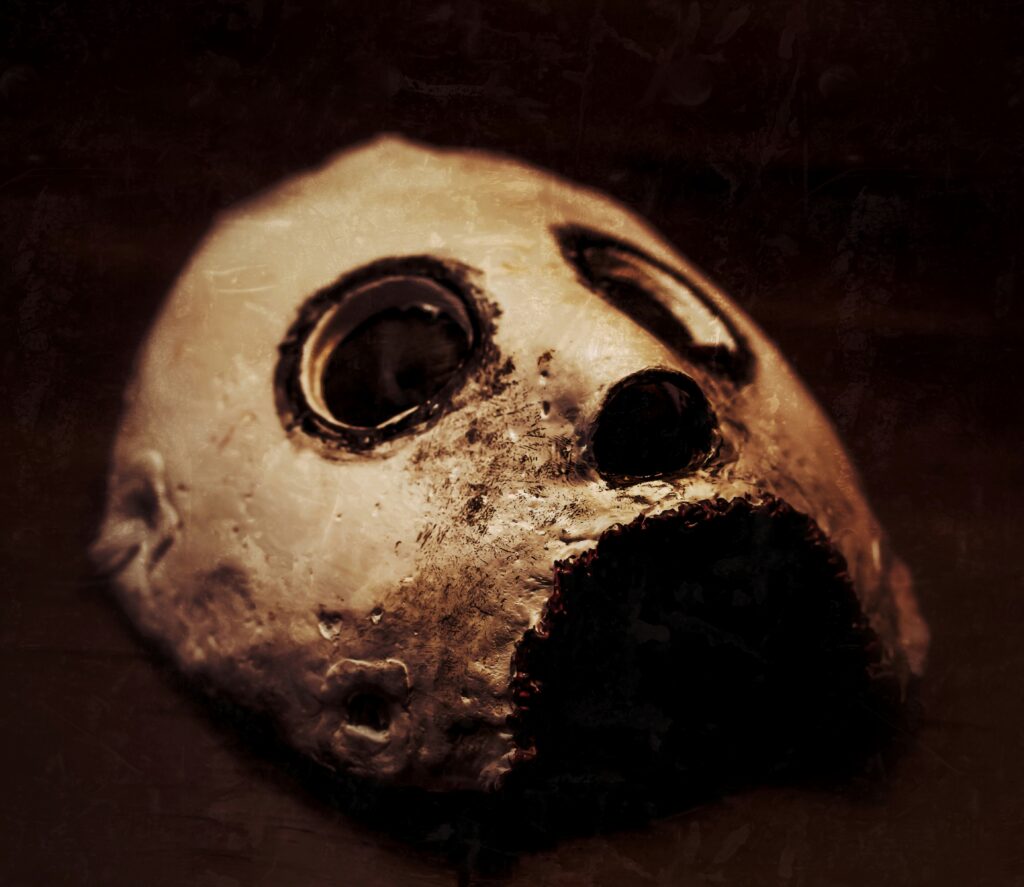
That being said, a killer that doesn’t hide their face can be extra terrifying. If you choose to go this route, you can make them distinct in other ways, or maybe they hide behind other things—a fake name, a fake life, or other lies.
Tips for developing this trope:
- Choose a mask (literal or metaphorical) that fits your story’s theme. A porcelain doll mask gives a different tone than a mechanic’s welding visor.
- Decide whether the mask hides humanity or creates it. Does your killer wear it to conceal guilt, or to become something more terrifying?
- Use the mask as a storytelling tool. Describe how it changes in light, how it reflects fear, or how it limits the killer’s vision and movement. This adds sensory detail and enhances immersion.
- Explore what happens when the mask comes off. The reveal can either humanize or horrify.
5. The Victim Pool
Slashers often feature an ensemble cast, with each victim adding variety to pacing and emotion. The group dynamic can reflect friendship, rivalry, or dysfunction.
Tips for developing this trope:
- Give each character a role beyond their archetype (the skeptic, the comic relief, the leader). Add individual quirks, habits, or fears.
- Interconnect them. Personal histories or grudges make deaths more impactful and believable. Tense romantic history is common and effective, but don’t be afraid to get creative.
- Space out their moments. Each victim’s death should change the story’s tone or stakes, not just fill a quota before the ending.
- Let relationships evolve as the body count rises. Fear exposes hidden truths, forcing alliances or betrayals.
- Avoid making them disposable. Readers should feel each loss, even if briefly. That emotion fuels suspense for whoever’s left. Even the typical jerk or mean girl character should have something redeeming about them; if the audience is happy to see them go, they should feel just a little guilty for thinking it!
6. The Weapon As Signature
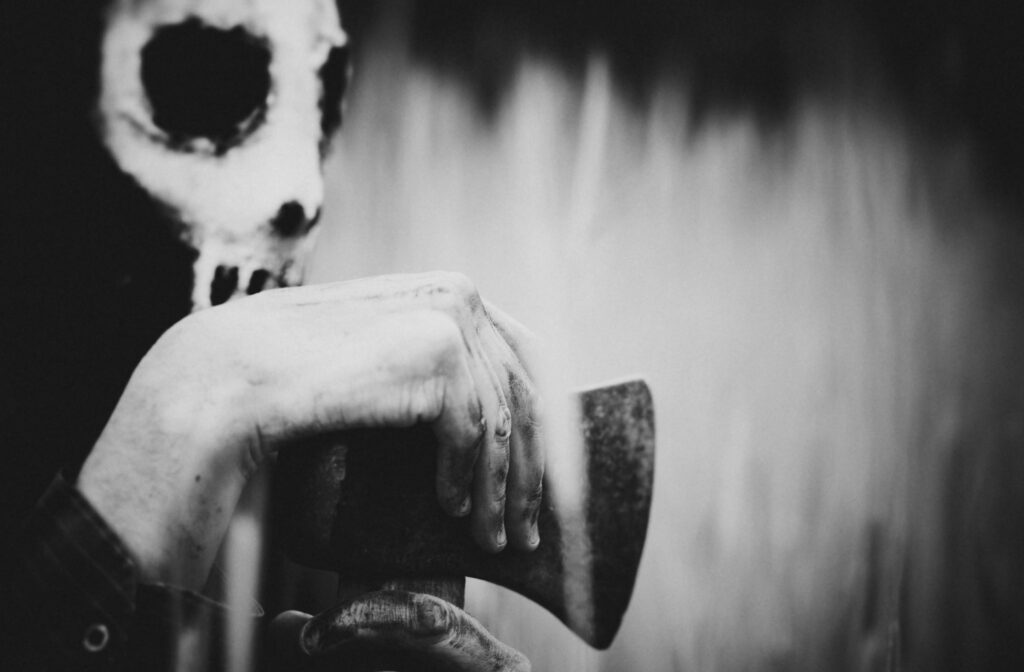
In the slasher horror subgenre, the weapon often becomes as iconic as the killer. It reflects their style, their psychology, and their backstory.
Tips for developing this trope:
- Pick something that fits the killer’s origin. A fisherman with a hook, a butcher with a cleaver, symbolic but straightforward and relevant to their story, personality, and character.
- Describe how the weapon feels, not just how it kills. The sound of it scraping or the way it catches light can become its own kind of signature.
- Consider limitations. A weapon that’s heavy, loud, or unreliable can add realism and tension.
- Avoid overuse. The weapon should appear strategically; anticipation can be scarier than repetition.
7. The Red Herring
False leads are essential in slashers. They keep readers guessing about the killer’s identity and intentions. They keep the audience engaged, interested, and debating whether their predictions are right or wrong.
Tips for developing this trope:
- Introduce multiple potential suspects early, each with plausible motives.
- Let clues overlap. Real hints and fake ones should blend seamlessly.
- Avoid making red herrings too obvious. A misleading character works best when readers truly believe the suspicion.
- Always make misdirection serve the story. Even when proven innocent, the red herring should reveal something important about the theme or character.
8. The Final Confrontation
Every slasher builds toward the showdown: survivor versus killer, fear versus power. It’s both a physical and emotional climax. Don’t be afraid to push boundaries and take risks here; it’s one of the most impactful parts of the story, both on the page and the screen.
Tips for developing this trope:
- Let the setting play a role. Use doors, tools, or confined spaces to heighten the sense of desperation.
- Keep the confrontation personal. The survivor’s victory should reflect their growth or defiance.
- Use sensory details: sound, silence, breathing, the sting of blood or sweat. Those small details make the scene visceral.
- Consider pacing. A too-long fight scene loses impact, while a too-quick one can feel anticlimactic.
- End with an image that lingers, something symbolic, haunting, or unresolved.
In short: Developing tropes in slasher horror isn’t about reinventing them; it’s about using them purposefully. Each familiar element, from the isolated cabin to the bloodied survivor, can feel new when it’s emotionally grounded and narratively earned.
Top Slasher Horror Writing Techniques
Mastering slasher horror writing techniques means balancing structure with surprise. Readers expect certain beats, but they should never see them coming or guess exactly what happens.
1. Build Suspense with Precision
Slashers rely on timing. Suspense is everything. Tension should rise and fall like breath; create moments of stillness before sudden violence. Use short sentences for action and longer, sensory ones to build atmosphere.
2. Limit the View
Keep readers slightly in the dark. Reveal only what your point-of-view character can see or hear. The unseen is always scarier than what’s shown.
3. Balance Gore and Suggestion
Slasher horror can be graphic, but it doesn’t have to be. Focus on the emotional impact of violence rather than a detailed description. Fear grows stronger in the reader’s imagination.
4. Keep the Pacing Tight
Slashers move fast. Avoid long pauses in action unless they serve to build tension. Every major scene should either reveal character or raise stakes.
How to Write Chilling Slasher Dialogue
Dialogue in slasher horror has a rhythm all its own. It’s where humour, fear, and humanity mix before the chaos begins. Most slashers offer a little bit of comic relief – some more than others, but it’s often needed to break up the horrors you’re serving.
It’s essential to strike a balance within your dialogue. Here are some tips to help you figure out how to write slasher horror well:
1. Make it Natural Before the Horror Hits
Before the first scare, let your characters sound like real people. The more authentic they feel, the more readers care when things go wrong.
2. Layer Meaning Beneath Words
When danger approaches, dialogue becomes clipped or hesitant. Use silence, half-sentences, and interruptions to show fear.
3. Give the Killer a Voice
Even a silent killer has a “voice.” Their movements, their timing, and what they choose not to say create personality.
For talkative villains (like Freddy Krueger or Ghostface), dialogue becomes a weapon. It dances between playful, cruel, and theatrical.
Sometimes, it’s the killer that provides comic relief!
4. End Conversations Abruptly
In slasher horror, dialogue often ends mid-thought. Someone screams, the lights go out, or the phone dies. This keeps the momentum and amplifies fear.
How to Write Effective Victims and Survivors
Slashers are like an ensemble. Every victim contributes to the story’s rhythm, tone, and emotion. Consider these tips when crafting your characters and their circumstances:
1. Make Each Victim Distinct
Even if their screen time is short, give each character a defining trait or habit. Readers should recognize them instantly, so their fate lands harder.
2. Avoid Stereotypes
The jock, the cheerleader, the skeptic: these roles can work, but only if you give them dimension. Let them surprise the reader. Give them depth where depth is often lacking; cheerleaders and jocks can be intelligent, and “nerds” can be fun and charming!
3. Build a Strong Final Survivor
Your survivor shouldn’t just “get lucky.” They should earn survival through courage, intelligence, or resilience. Think of them as the audience’s anchor; the emotional through-line amid chaos.
They don’t have to start this way; they can develop the traits they need throughout the story. This often feels more authentic and relatable, anyway.
4. Give the Survivor a Flaw
The best final survivors are imperfect. Maybe they doubted themselves, made mistakes, or even indirectly caused the situation. Growth through trauma makes the ending satisfying and realistic.
How to Write Slasher Horror Endings
Slashers often end with catharsis, such as the survivor defeating the killer, but rarely complete peace. The horror usually lingers. Mastering the ending is crucial when learning how to write slasher horror; even the best stories become forgettable if the ending falls flat.
1. Close the Immediate Conflict
Your main threat should be resolved, even if only temporarily. Readers need release after prolonged tension.
2. Leave a Trace of Uncertainty
A final noise, an empty mask, or a shadow in the distance suggests the story isn’t truly over. That tiny question mark keeps the fear alive.
It also leaves open the possibility for a sequel if you want to give everyone more of your killer!
3. Reflect the Theme
Endings should tie back to your story’s more profound message: survival, guilt, vengeance, or fate.
| Story Element | Purpose | Tips for Writers |
|---|---|---|
| The Killer | Drives the plot and embodies fear. Their identity, motive, or mystery keeps readers hooked. | Create a distinctive look, rhythm, or habit. Give symbolic meaning to their actions or presence. |
| The Victims | Represent ordinary people facing extraordinary danger. Their personalities shape pacing and tone. | Avoid stereotypes. Give each victim a moment to stand out and a reason for readers to care. |
| The Setting | Creates tension and isolation. The environment traps characters and amplifies fear. | Choose a familiar space and distort it — a camp, suburb, or school can all become terrifying. |
| The Weapon | A visual and psychological signature. Represents the killer’s identity and style of violence. | Avoid generic tools. Make the weapon symbolic — something that fits the killer’s story or theme. |
| The Final Survivor | Provides emotional closure and audience connection. Often represents growth or resilience. | Give them flaws and agency. Their choices, not luck, should define survival. |
| The Theme | Adds depth beneath the fear. Reflects social, moral, or psychological concerns. | Ask: What does your killer symbolize? What fear or flaw does your story explore? |
| The Ending | Brings resolution but leaves unease. Often hints the horror isn’t truly over. | End on a lasting image or question. Leave readers with tension rather than relief. |
Recommended Reading and Viewing
Books and Stories:
- There’s Someone Inside Your House by Stephanie Perkins
- My Heart Is a Chainsaw by Stephen Graham Jones
- Final Girl Support Group by Grady Hendrix
Movies:
These slasher horror films, which define the genre, are worth studying for their structure, pacing, and character dynamics.
Conclusion
Learning how to write slasher horror is about mastering rhythm: the steady build of suspense, the burst of violence, and the breath afterward. It’s a genre that thrives on fear, yes, but also on creativity and subversion.
If you can balance tension, empathy, and surprise, your story will slice straight into readers’ imaginations and stay there long after the final page.
So sharpen your pen, choose your setting, and listen for footsteps behind you. Somewhere in the dark, your slasher story is waiting to be written.
2 Comments
John Monyjok Maluth · October 30, 2025 at 9:05 pm
Loved this guide. It reminded me how real fear felt growing up near the Sobat River at night, when every rustle had a face in my mind. I agree the Final Girl works best when she earns it through small choices that add up. Question: how would you flip the “sin factor” so it reveals compassion instead of punishment? Back home we say, the drumbeat you follow decides how you dance.
John
Steph · November 3, 2025 at 7:36 pm
That’s such an interesting question. I think a horror story with a positive ending could flip the script a little – instead of the killer eliminating everyone who commits the “sin” (real or perceived), the victims come together and defeat the enemy. Or the killer’s sidekick/helper grows a sense of compassion and saves some or all of them? It’s definitely something to think about!