Every culture has its monsters. From vampires and werewolves to the unknowable creatures that lurk beneath the surface, monsters have terrified and fascinated us for centuries. Learning how to write monster horror means exploring what frightens us most, not just the fangs and claws, but the human fears hiding beneath them.
Whether you’re creating a brand-new creature or reinventing a classic, this guide will show you how to write horror monsters that feel terrifying, believable, and unforgettable.
How to Write Monster Horror: Understanding Its Heart
Before you design your first creature, it helps to understand what the monster horror subgenre really is. At its core, it’s about fear made visible. Monsters are tangible, present, and right in front of you. They may embody the things we repress: guilt, greed, death, or desire. Or they may simply be there to confuse, terrify, or mislead.
Think of it this way: in psychological horror, the monster is inside the mind. In monster horror, it’s out in the world – whether by design or by the manifestation of the mind.
Why monsters endure:
- They personify real-world fears (disease, war, decay, isolation).
- They challenge what it means to be human.
- They can represent cultural anxieties specific to their time.
- Done right, they can be so terrifying that horror fanatics and adrenaline junkies just can’t get enough.
To write an effective monster story, start by asking one question: What fear does my creature represent?
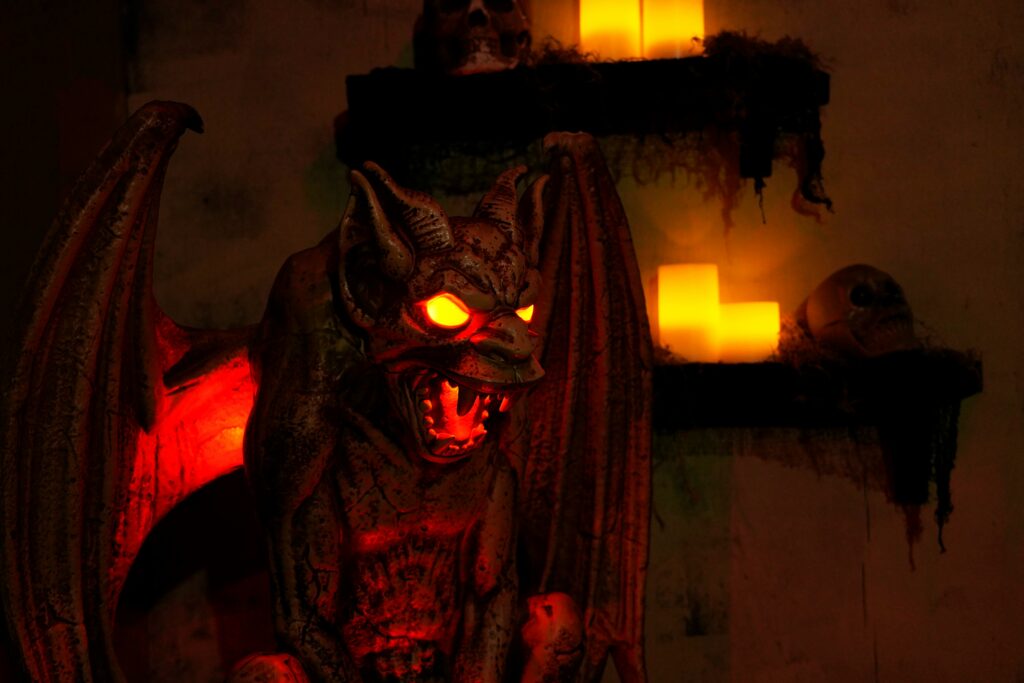
How to Write Horror Monsters: From Concept to Creation
When planning your creature, don’t start with its appearance; begin with its purpose. The most frightening monsters are metaphors first and visuals second.
1. Choose the Fear You Want to Explore
All great monsters are born from emotion. Decide what fear drives your story.
- Fear of infection or decay leads to body horror monsters like zombies or parasites.
- Fear of loss of control creates possession-based or transformation creatures.
- Fear of isolation might give birth to cosmic or alien beings.
These are just some examples. It doesn’t have to be too deep or complicated; it can be as simple as a fear of the unknown, fear of the dark, etc.
When you know the emotional root, the physical form will follow naturally.
2. Choose the Setting
Monsters are most effective when contrasted with their environment. A vampire among aristocrats feels different from a vampire in a modern nightclub. The setting is just as important as the type and style of monster you choose.
A familiar and relatable setting makes the horror stand out. But the high-class aristocrat setting surrounding your vampire makes him feel legitimate, high-powered, and strong. Pick the feeling and vibe you want, and place your monster accordingly.
3. Establish the Rules
Even the strangest horror monster must make sense within its world. Create internal logic: what sustains it, what weakens it, and how it spreads or hunts. Consistency keeps readers immersed.
You can make it as strong, formidable, and terrifying as you want, but it must have at least one weakness. Light is a common weakness for monsters that lurk or thrive in the dark, but it can be anything as long as it makes sense for your monster.
4. Avoid Copy-Paste Creatures
There are countless demons, ghosts, and ghouls, but very few that feel new. If you can’t or don’t want to come up with something entirely new – that’s okay! As they say, it’s truly difficult to be 100 percent original these days.
Instead, put a twist on what exists:
- A werewolf that transforms not with the moon but with emotion.
- A “ghost” that isn’t dead but trapped in time.
- A creature that mimics a loved one to feed on trust.
There are countless things you can do to make an existing type of monster feel fresh and new without starting from scratch.
The key to knowing how to create unique horror monsters is originality balanced with familiarity. It’s okay if your audience can recognize the archetype, but they should feel like they’re meeting it for the first time.
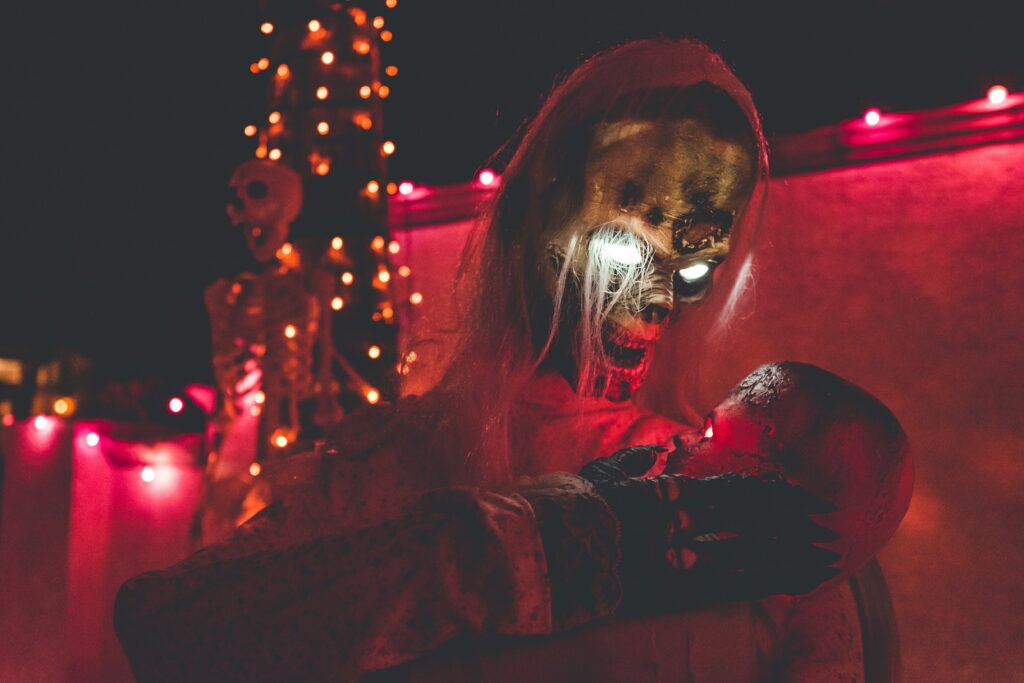
How to Create Terrifying Monsters
Now that your creature has a purpose and logic, let’s make it frightening! There are many ways you can make your monster terrifying, so don’t put yourself in a box or feel like you’re locked into visual scares. Your monster can look scary, sure, but that’s not the only way.
Sometimes, their fear factor comes from their powers or abilities, what they’re willing to do, how smart and cunning they are, what they say, or where they come from. Or, all of the above.
Learning how to create terrifying monsters goes beyond their appearance. Consider these tips:
1. Focus on the Unknown
What we can’t fully see or understand is always scarier than what we can. Reveal your monster gradually. Dripfeed information about it, rather than a single info-dump. Use sound, smell, and glimpses before the full reveal. Have other characters reveal clues and lore through dialogue, discoveries, books, etc.
2. Use Sensory Writing
Fear is so often physical. Describe the temperature drop in the room, the metallic taste of blood in the air, or the unnatural rhythm of footsteps. Engage all five senses to make readers feel the monster’s presence before they ever see it.
3. Manipulate Scale
A monster doesn’t have to be huge to be terrifying. Sometimes, small and invasive is worse. Think of parasites, insects, or dolls. Play with proportion to create discomfort.
4. Give Your Monster Intent
A mindless creature is scary for a while, but a monster with goals is truly chilling. Whether it wants revenge, survival, or companionship, intent makes horror feel intelligent and purposeful.
5. Show Humanity (Sparingly)
Show glimpses of humanity to evoke empathy, then twist it. When readers almost feel sorry for your monster, it becomes unforgettable. If they find themselves maybe kinda-sorta rooting for the monster in a weird way, you’re on the right track.
How to Write Monster Backstories
Every monster comes from somewhere. Even if readers never learn the full story, knowing how to write monster backstories is essential for depth.
Why does your monster need a backstory even if the audience doesn’t know it all? Because it informs how the monster behaves, the decisions it makes, much like when you’re developing regular characters.
For example, if a character is afraid of the dark due to childhood trauma, they will feel uncomfortable in dark spaces. They may refuse to go in. Or, they may behave frantically if they do go in and make a bad choice.
It may never come up in the story that they are specifically afraid of the dark, but knowing this as the writer helps you shape their story through consistent actions and decisions.
Apply this same logic when crafting your horror monster. Use these tips to help you:
1. Create Origin Through Tragedy
Monsters aren’t always born evil. They’re made through pain, transformation, or corruption. A curse, a failed experiment, or a desperate bargain can make them tragic as well as terrifying.
Those born evil are often born into an evil group: a coven of witches or vampires, a community of hidden creatures, etc. You can dive into the lore and history of the group and why they’re evil.
A good example can be found in the story A Digital Kuchisake-onna in the anthology “Uncovered: The Story of Eva Courtland and Other Spooky Tales.”
This monster is a modern reimagining of the “slit-mouthed woman” from Japanese folklore, whose story began as a woman who endured tragedy and became something terrible.
2. Keep Mystery Alive
Reveal just enough. A half-told legend or fragmented diary is more haunting than a full explanation. The mystery keeps readers’ imaginations working long after they finish your story. It also keeps them engaged and reading to the end, where they may or may not have all their questions answered.
3. Tie the Origin to the Theme
If your story is about grief, make the monster a reflection of it. Something that lingers because it cannot let go. If it’s about guilt, perhaps the creature only appears to those who have sinned.
4. Avoid Overcomplication
A long, tangled backstory can drain momentum. You only need the illusion of history. Drop clues like footprints: enough to trace, but never the whole path.
As you practice writing monster horror, you’ll figure out the proper balance between mystery and backstory.
| Element | Purpose | Tips for Writers |
|---|---|---|
| Concept | Defines what the monster represents and why it exists in your story. | Begin with a human fear or flaw. Build your creature as a metaphor for that emotion. |
| Appearance | Creates immediate visual impact and sets tone before the creature even acts. | Use contrast: beauty mixed with horror, symmetry twisted just slightly wrong. Describe texture, movement, and sound. |
| Origin | Explains how the monster came to be, adding realism and emotional weight. | Keep the backstory short but meaningful. Link it to tragedy, transformation, or punishment. |
| Abilities and Weaknesses | Give the monster believable rules that control how it operates in the story. | Define limits early. Every power should have a cost or flaw that shapes the plot. |
| Behaviour | Reveals intelligence, instinct, or emotion. Makes the creature feel alive rather than random. | Decide whether it hunts, mimics, tempts, or stalks. Give its actions rhythm and purpose. |
| Symbolism | Connects the creature to larger themes or cultural fears, giving the story depth beyond violence. | Ask what your monster says about humanity. Fear of technology? Obsession? Loss? Let it stand for something bigger. |
| Interaction with Humans | Shows how the monster influences characters and reveals who they truly are. | Make every encounter change the human characters. Survival should come with a cost or realization. |
| Scene Presence | Controls tension in every encounter. Even when off-screen, the monster’s presence should be felt. | Use sound, light, and silence to imply its movement. Let the reader sense the creature before they see it. |
| Resolution | Ends the story while leaving an echo of fear or fascination behind. | Avoid clean endings. Hint that the monster’s influence lingers even if the creature is gone. |
Writing Horror Stories with Monsters
Building a creature is only half the work. The rest is crafting a story that gives it power and context. Even the best-crafted monster will lose audiences if the story falls too flat.
Consider the following when writing horror stories with monsters:
1. Build Suspense Around Discovery
Let your characters learn about the monster in fragments: rumours, artifacts, survivors. Curiosity creates dread, and the slow drip keeps audiences engaged.
2. Use Character Perspective
How your characters respond to the creature shapes the story’s tone and pace. A scientist may see fascination where a child sees terror. Write from perspectives that heighten the horror and tell the story the way you want to tell it.
3. Balance Action with Stillness
Moments of silence or calm make attacks more impactful. Think of the pause before the knock, the breath before the scream. Not only do moments of stillness enhance the horror, but they also balance the pacing. A story that’s all action will make audiences feel overwhelmed and exhausted.
How to Write Monster Horror: Mastering Immersive Scenes
Creating tension in horror monster scenes is about more than description; it’s about rhythm, focus, and point of view. Writing horror monster scenes takes some skill and craft. Consider these tips when learning how to write monster horror effectively:
1. Slow Down Time
During intense scenes, slow everything down. Readers should feel every heartbeat. Use short sentences to mimic adrenaline, and focus on tiny details like sound and breath. Sensory details create the immersion you want, so readers can really feel the terror.
2. Write from Inside the Fear
Instead of describing the monster objectively, show it through the character’s perception. What do they notice first: smell, movement, or cold air? Their panic shapes the reader’s fear.
3. Play with Space and Motion
Use corners, hallways, and narrow spaces. Monsters in confined areas amplify claustrophobia and heighten the intensity. Describe the geometry of the scene: what’s seen, what’s hidden, and what’s just out of sight.
4. Withhold Information
Let readers sense danger before characters do.
Give them hints: the dripping sound, the reflection in a broken mirror, the ground vibrating with giant footsteps, and let their imagination fill the rest.
Common Pitfalls When Writing Monster Horror
Even the best ideas can falter if they’re not executed well. Avoid these common mistakes when learning how to write monster horror:
- Explaining too much too early: mystery is essential.
- Relying on gore alone: shock fades quickly, but atmosphere lingers.
- Ignoring theme: monsters without metaphor lose depth.
- Making them too powerful: imbalance kills tension. Every monster needs a weakness, no matter how small.
- Forgetting empathy: readers need someone to care about, even if it’s the creature itself.
How to Write Monster Horror: Prime Examples
One of the best ways to learn how to write monster horror or any other horror subgenre is to see how the masters do it. Consider the following masterpieces part of your research:
Books:
- Frankenstein by Mary Shelley — the ultimate story of creation and consequence.
- The Terror by Dan Simmons — a fusion of historical fiction and supernatural dread.
- The Fisherman by John Langan — cosmic horror meets grief and myth.
Movies:
- Alien (1979) — isolation and primal fear of the unknown.
- The Thing (1982) — paranoia, transformation, and mistrust.
- A Quiet Place (2018) — sound-based survival and emotional depth.
Each of these examples turns its creature into a metaphor, not just a monster. Study how they reveal information, build empathy, and balance horror with humanity.
How to Write Monster Horror: Final Thoughts
Mastering how to write monster horror is about more than inventing something scary. It’s about crafting fear that resonates. Monsters are metaphors, reflections of the anxieties we share and the darkness we hide.
If you can connect your creature to emotion, build suspense through atmosphere, and reveal it with care, your monster will live in your readers’ minds long after the story ends.
So take your idea, feed it with fear, and let it crawl from the shadows. The world always has room for one more unforgettable creature.


2 Comments
John Monyjok Maluth · October 30, 2025 at 9:01 pm
That was such a powerful guide. I like how it turns the idea of monsters from simple fear to deep reflection. It made me think about the “monsters” I saw growing up in South Sudan. But not with claws or fangs, but in the faces of war, hunger, and fear itself. Those were real, and they still live in many people’s memories. Ah, I recall “Tenylech” a household name that used to create fear in kids in both Nuer and Dinka villages. It was associated with a mysterious monster whose teeth could be seen in the dark rooms at night. Fictional, right?
I’ve learned that the scariest monsters are often human-made, born from greed or revenge. When a story captures that truth, it becomes unforgettable. As we say along the Sobat River, even a crocodile starts as a small egg. Fear, too, grows when left unguarded. Thanks for reviving those childhood memories in me throughout the article.
John
Steph · November 3, 2025 at 7:37 pm
I’m glad you enjoyed the read, thanks for stopping by!