Horror is one of the most versatile genres in fiction. It can terrify, disturb, unsettle, or even comfort, depending on how it’s written. Recently, a new subgenre has emerged: cozy horror. This lighter, warmer take on horror has raised questions among readers and writers alike, especially when compared to the darker traditions of gothic or psychological horror. The hallmarks of cozy horror vs traditional horror are still up for debate, but let’s take a look at some key differences:
Two Sides of the Horror Spectrum
So what is cozy horror, and how does it compare to the horror most of us are familiar with? In this guide, we’ll explore cozy horror vs traditional horror, breaking down their core differences in tone, setting, characters, themes, and style. If you’re interested in learning how to write cozy horror or simply curious about cozy horror books and movies, this is your roadmap.
Tone: Unease vs Unrelenting Dread
Traditional horror thrives on tension, dread, shocks, jumps, and often despair. Its purpose is to disturb or frighten, leaving readers with lingering unease or even existential dread. If it’s keeping you up at night or seeping into your dreams, the writers have done their jobs. Stories in this category, from gothic classics like Dracula to modern horror films, often sustain an atmosphere of menace.
By contrast, cozy horror maintains a lighter tone. While it includes unsettling moments and spooky scenes, it balances them with warmth, humour, or community. The scares are softened by playful or whimsical elements, making the reading or viewing experience spooky but pleasant rather than overwhelming.
Example: Coraline leans toward cozy horror because, despite eerie visuals and a chilling villain, it maintains a whimsical tone and ultimately delivers reassurance. Compare that with a darker story, such as The Haunting of Hill House, which layers dread upon dread until readers feel suffocated by the atmosphere, their nerves frayed and minds on edge.
Setting: Claustrophobic vs Familiar
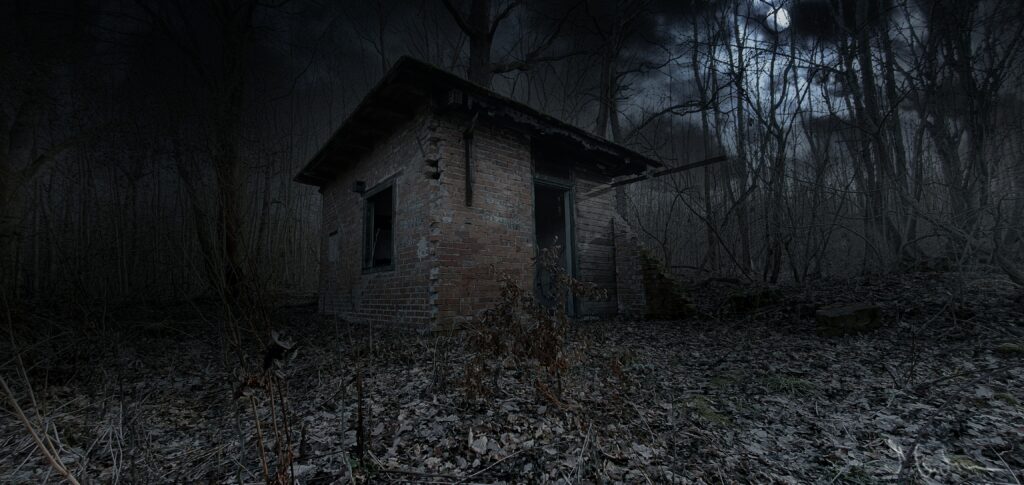
Settings in traditional horror often isolate characters in bleak, threatening spaces, such as crumbling castles, abandoned asylums, shadowy forests, or desolate towns. These locations amplify fear by stripping away a sense of safety.
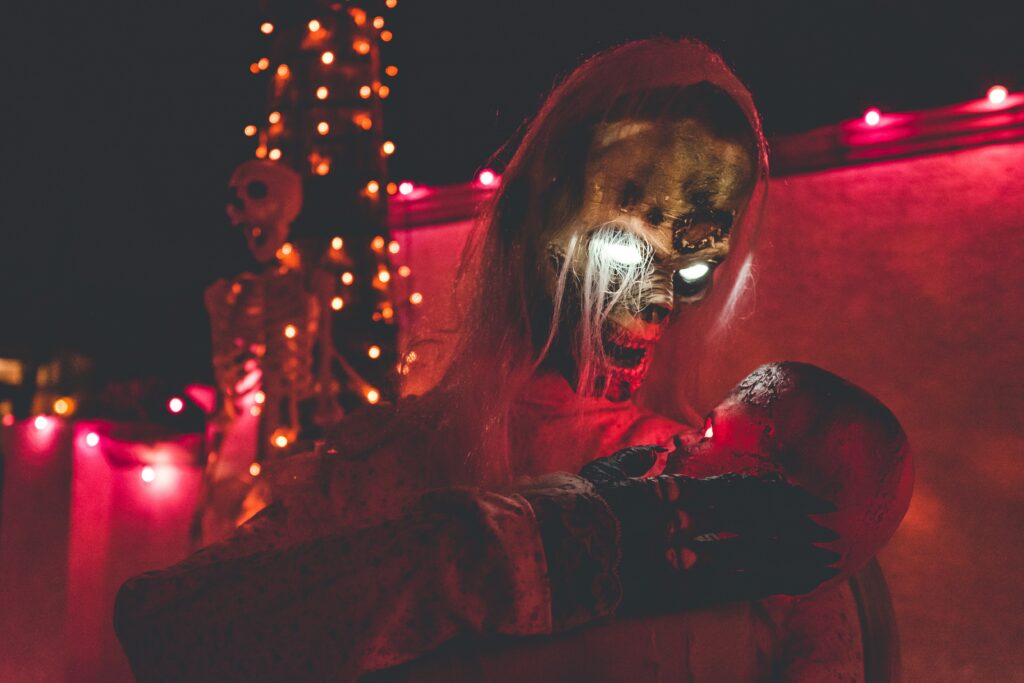
Cozy horror, however, places the strange and unsettling within familiar, often comforting spaces. Haunted cottages, small-town bookshops, festive autumn carnivals, or family homes become the stage for eerie encounters. Instead of pure menace, these settings mix charm and danger in equal measure.
Example: The difference between The Shining (a traditional horror film, with its vast, isolating hotel setting) and Hocus Pocus (a cozy horror film, with its playful Salem town backdrop) highlights how setting shapes the entire mood.
Characters: Victims vs Companions
In traditional horror, characters often serve as victims of fate, trapped in struggles against forces beyond their control. Their arcs may end in tragedy, sacrifice, or survival against steep odds. Even in the instance of a happy ending, they’ve gone through hell to get there.
Even then, happy endings and favourable resolutions are often coupled with a slight cliffhanger, a strange atmosphere, or a last-minute, something-is-still-off clue to the audience.
Cozy horror fiction instead prioritizes characters that readers want to spend time with. Protagonists are relatable, quirky, or humorous. Supporting characters may form communities that offer comfort against fear. Even antagonists, such as ghosts, witches, or creatures, may have endearing qualities that soften their menace.
In many cozy horror stories, the villain or antagonist even has their own redemptive arc, or at least a window into their backstory or motive, that garners sympathy rather than rage.
Example: In ParaNorman, the characters are funny, flawed, and lovable, making audiences root for them even during frightening moments. Contrast that with The Exorcist, where characters are primarily vessels for terror, with little room for levity.
Themes: Trauma vs Connection
Traditional horror frequently explores weighty themes: death, madness, loss of control, and existential dread. It often dives deep into the pits and corners of the supernatural and paranormal. It explores true evil and darkness from many angles. These stories look into humanity’s deepest fears and often leave readers unsettled with grim takeaways.
Cozy horror takes a gentler approach. Its themes revolve around connection, belonging, curiosity, and resilience. Even when eerie or frightening events occur, the story often reaffirms community and hope.
The characters help each other through it, demonstrate inner strength, emerge stronger, and may even convey a moral lesson for the audience to take away.
Example: The Yellow Wallpaper embodies the psychological intensity of traditional horror, confronting readers with the horror of isolation. Meanwhile, The Graveyard Book by Neil Gaiman, although filled with ghosts, is ultimately about family, growth, and finding one’s place in the world; a core theme of cozy horror.
Style: Graphic vs Suggestive
Traditional horror often uses graphic imagery or shocking moments to intensify fear. While not all horror relies on gore, the willingness to lean into darkness is a hallmark of the genre. Graphic doesn’t always equate to blood and gore.
It can be intensely dark and scary-looking characters, horrifying and dreadful scenery; anything that will shock, enrage, or terrify the audience on a deep level.
Cozy horror, on the other hand, relies on suggestion. Fear is evoked through atmosphere, implication, and suspense rather than explicit detail. Violence and gore are minimal or absent. The intent is to unsettle, not to terrify and traumatize.
Example: Psycho (traditional horror) is infamous for its shocking murder scene. Compare that to Over the Garden Wall, which conveys eerie unease through mood, folklore, and symbolism, without graphic content.
Endings: Unresolved vs Reassured
Traditional horror often concludes with ambiguity or despair. The monster may still be out there. Evil might not be defeated. Sometimes, no one escapes at all. Even happy or positive endings often hint at something more, something lingering. These endings reinforce dread by denying closure.
Cozy horror usually ends with a resolution. The ghost is at peace, the mystery is solved, or the characters find safety. While an unsettling detail may remain, readers close the book or leave the theatre with a sense of reassurance.
Example: A film like The Mist ends in gut-wrenching despair, a hallmark of traditional horror. In contrast, Casper ends with comfort and companionship, leaning fully into cozy territory.
Cozy Horror vs Traditional Horror: Why the Distinction Matters
Understanding cozy horror vs traditional horror is more than a thought exercise; it’s a practical tool for both writers and fans. Writers can choose which path best suits their story, and readers can decide if they’re in the mood for jump scares, psychological horror, or something softer.
As cozy horror continues to gain popularity, learning how to write cozy horror now allows writers to get ahead of the trend. For readers, recognizing the traits of cozy horror books, cozy horror movies, and cozy horror fiction makes it easier to discover stories that deliver the perfect balance of spooky and safe.
| Aspect | Cozy Horror | Traditional Horror |
|---|---|---|
| Tone | Spooky-but-safe; warmth, humor, community soften the scares. | Sustained dread, menace, or despair; discomfort is the point. |
| Setting | Familiar, inviting places with a twist (haunted cottage, bookshop, small-town festival). | Isolating or threatening spaces (abandoned asylum, vast empty hotel, cursed house). |
| Characters | Relatable, likable, often quirky; friendships and found family matter. | Often beleaguered or isolated; survival and endurance take center stage. |
| Themes | Belonging, kindness, curiosity, reconciliation, community resilience. | Loss of control, trauma, guilt, corruption, existential fear. |
| Style & Content | Suggestive, low/no gore; scares come from atmosphere and implication. | May include graphic moments, shock, and visceral set pieces. |
| Endings | Reassuring or hopeful; mystery resolved or softly lingering. | Ambiguous, bleak, or shocking; evil may persist or truth wounds. |
| Examples | Coraline, ParaNorman, Hocus Pocus, Over the Garden Wall, The Graveyard Book. | The Haunting of Hill House, The Shining, Psycho, The Exorcist, The Mist. |
Cozy Horror vs Traditional Horror: Final Thoughts
Cozy horror vs traditional horror isn’t about which is better; it’s about recognizing how the genre can stretch in different directions. Traditional horror dives deep into fear, trauma, and existential dread. Cozy horror, meanwhile, strikes a balance between scares and comfort, offering readers a space to enjoy the spooky without losing sleep.
For fans, this distinction opens new doors. For writers, it’s an invitation: if you’re wondering how to write cozy horror, now is the perfect time to explore this growing subgenre.

2 Comments
Lisa Silver · September 22, 2025 at 11:14 pm
I was always a huge fan of Traditional Horror….movies, books, TV…all of it! Today, however, I would not be able to tolerate it. Cozy Horror sounds like something I could stand to watch or read. As I’ve gotten older I steer clear of horror, but find the topic intriguing. Especially the stories based on truth and reality!
Steph · September 23, 2025 at 2:55 pm
Cozy horror sounds like it would definitely be right up your alley, then! It serves up all the spooks without any of the terror and trauma. I hope you find some books and movies you like!